
“The Ultimate Guide to Studying in Finland 2025“There are many positive reasons to study in Finland. Beyond the prestigious universities that offer top-notch vocational, undergraduate, and graduate education, you’ll be impressed by the various global rankings that distinguish the country. In this article, we will discuss the main reasons why studying in Finland is an excellent choice. Let’s highlight some valuable facts that will undoubtedly make you book your ticket, start packing your bags, and head to Finland to secure your future.

When it comes to high-quality education, Finland is one of the first countries that comes to mind. A Nordic country with a population of 5.54 million in 2024, Finland has not only kept pace with advancements in education but has also excelled in setting a global standard.
As a member of the European Union and home to 35 higher education institutions, Finland is a great choice for students from around the world. In a society where equality is valued and lifelong learning is encouraged, Finland offers a fantastic social environment to enhance your learning and personal growth.
If you are looking to study at a university in Finland, you will find a wide range of degrees focusing on student-centered learning and technological advancement. For international students, life in Finland is enhanced by high-level infrastructure and technology, the safety of living in one of the world’s safest countries, and the enjoyment provided by nature’s four distinct seasons, each with its own unique charm.
Finland is one of the most environmentally conscious countries in the world, and as a result, almost everyone participates in environmentally friendly practices. Nature is a fundamental part of Finnish life for a simple reason: it is everywhere.
In Finland, the bustling urban life meets tranquil natural landscapes just a few steps away. Cities and towns host activities for all seasons and offer plenty of opportunities for exploration or relaxation.
Higher education institutions in Finland have an international outlook, with over 500 English-taught programs available throughout the country. These institutions largely rely on government funding and provide high-quality education accessible to everyone. Campuses combine natural surroundings with modern technical facilities for all students to enjoy.
Being a student in Finland has many advantages. From advanced technical laboratories to well-equipped libraries, university campuses have all the facilities that knowledge-thirsty students need. Earning a degree from a Finnish higher education institution of world-class quality is the natural first step to paving the way for a fantastic career in your field, whether academic or in other practical sectors.

5 "Unbelievable" Facts About the Happiest Country in the World
Finland is known as the happiest country in the world, but this Scandinavian nation, where citizens endure harsh winters, also has many unusual traditions and social norms.
With a low population density, Finland covers an area of 130,000 square miles but has a population of just over 5 million people, which is about 3 million fewer than New York City.
Finns are famous for drinking a lot of coffee and can be somewhat pessimistic, but their country is also renowned for its many welfare benefits.
Here are 5 of the most surprising facts about Finland, according to Business Insider:
Speeding Fines Based on Income
In Finland, speeding fines are based on the income of the driver, in addition to how fast they were going. This system can lead to some hefty fines. Earlier this year, a Finnish millionaire was fined approximately $130,000 for exceeding the speed limit.
Half a Sauna Room Per Person
According to the tourism site "Visit Finland," there are an estimated three million sauna rooms in Finland, meaning there is roughly one sauna for every two people.
Sauna culture is an essential part of daily life and Finnish heritage, with saunas found in some apartment buildings, homes, restaurants, and even government buildings.
The Government's "Baby Box"
The Finnish government provides all new families with a "baby box" sent to the parents of the newborn upon birth. The box contains essential items such as clothing, diapers, and bathing products, among other things.
The box itself includes a small mattress and sheet, allowing it to be used as a safe sleeping place for the newborn.
"Wife Carrying" Sport
"Wife carrying" has become an international sport, but the World Championship is still held in Sonkajärvi, Finland. Traditionally, this sport involves a male partner carrying his wife on his back while completing an obstacle course.
The rules have evolved slightly over the years, and competitors are no longer required to carry their actual wives.
However, the "wife" must be at least 17 years old and weigh 49 kilograms. If she weighs less, officials will add a backpack to increase her weight.


Living in Finland
Let's take a closer look at student life, tuition fees, and living costs in Finland:
Student Unions: What Are They?
In Finland, every higher education institution has a student union that represents students' interests. When you get a Finnish student card, you become a member of your local student union.
University student unions are part of a national umbrella organization, the National Union of University Students in Finland (SYL). Similarly, technical university student unions belong to the Union of Finnish Universities of Applied Sciences (SAMOK). Membership in a student union grants you access to various student discounts and the union organizes many different activities you can participate in.
Student Clubs and Societies
In addition to student unions, which operate at the national and institutional levels, your department or faculty might have its own student club. Moreover, there are usually many student clubs and societies focusing on hobbies, sports, or other interests. You can find information about these clubs on bulletin boards at your institution, from student services, or from fellow students.
Tuition Fees in Finland
Tuition fees at Finnish universities vary based on factors such as the type of institution, student nationality, level of education (undergraduate, graduate), etc. Public universities follow this tuition fee structure:
- 0 Euros/yearfor students from the EU/EEA and Switzerland.
- 5,000–18,000 Euros/yearfor students from outside the EU/EEA.
- 0 Euros/yearfor doctoral programs for all international students.
Private universities usually have higher tuition fees and may not differentiate between EU/EEA students and others.
You can find information about the cheapest universities in Finland at this link:Tuition Fees and Living Costs.
Housing
Student housing in Finland, whether for exchange students or regular students, is typically organized by student housing organizations. Many cities and municipalities also have student accommodation managed by the local community or educational institutions.
Read more about student housing in Finland at this link:Student Housing.
Transportation
Public transportation is very well organized in Finland, and students benefit from special discounts that make commuting affordable. It is not necessary to own a car while living in large Finnish cities.

What Are the Best Universities in Finland?
In higher education, and even before reaching higher education levels, Finland boasts one of the best educational systems in the world according to the Global Competitiveness Report. The country has a strong culture of respect and appreciation for education, a rigorous selection system for teachers and educators at all levels, and highly efficient and well-managed educational systems.
Additionally, Finnish universities place a significant emphasis on research and innovation. Over 93% of the population are graduates from universities and higher education institutions. In the QS World University Rankings of 2018, Finland had 10 universities listed, all ranked among the top 300 universities in the world.
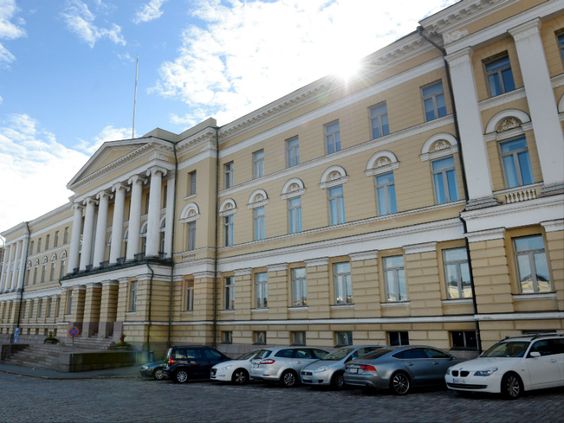
1.University of Helsinki
The University of Helsinki is Finland's oldest and largest university, known for its extensive research and a wide range of academic programs. It is a prestigious institution with a strong international reputation, offering high-quality education and contributing significantly to global research and innovation.
2.Aalto University
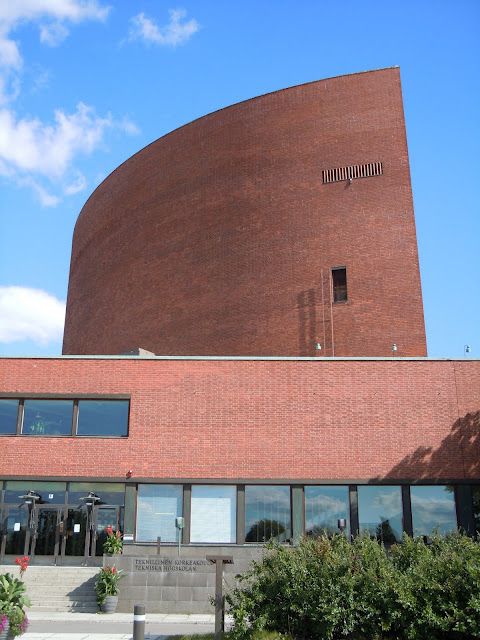
Established in 2010 through the merger of three institutions, Aalto University is known for its emphasis on innovation and interdisciplinary collaboration. It excels in fields such as technology, business, and design.
3.University of Turku

4.University of Eastern Finland
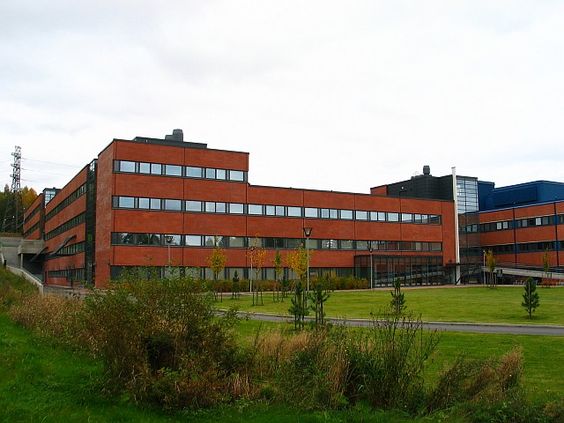
Established in 2010, this university is known for its research in health sciences, environmental science, and education. It offers a variety of interdisciplinary programs and has a strong focus on regional development.
5.University of Oulu
- Established: 1958
- Rank: 5th in Finland, 355th in the world


What are the requirements for obtaining a student visa to study in Finland?
You need to apply through the Finnish embassy or consulate in your country. Finland requires a bank statement showing a minimum of 560 euros per month, along with health insurance, an acceptance letter from the university, and basic documents such as a passport and a photo. However, each embassy may request additional documents depending on the country from which you are applying. It is also worth noting that you can bring your family with you.
Can international students work in Finland?
International students in Finland are allowed to work. Students can work without restrictions if the job is related to their studies. However, if the job is not related to their studies, the maximum is 25 hours per week during the academic term, and full-time during breaks. The 25-hour limit can vary slightly as long as it averages out to 25 hours per week during the study period. For example, you can work 27 hours or 23 hours per week, provided the average remains around 25 hours.